Overview
Where dynastic China meets a living Silk Road city.
Xi’an was the capital of thirteen dynasties and the eastern starting point of the Silk Road. The Terracotta Warriors, City Wall and Tang-era sites give it extraordinary historical density, but the city is not a museum: late-night food, the Hui Muslim Quarter and a new creative energy continue inside and beyond the old walls.
International visitors should expect less English than in Beijing or Shanghai. Major sites and metro signage are manageable, while Chinese names, saved addresses and a translation app make taxis and neighborhood restaurants much easier.
Best time to visit
Use spring or autumn for walls, ruins and mountain days.
April–May and September–October bring warm days and cooler evenings. October is the easiest overall, outside the October 1–7 Golden Week. July and August can exceed 35°C, while winter holidays bring closures and heavy domestic travel.
Comfortable for the City Wall and open-air archaeological sites before summer heat builds.
The strongest window for clear, mild sightseeing, with a compact umbrella useful in September.
Very hot and humid; start outdoor sites early and keep midday plans flexible.
Cultural highlights
See how many Chinas meet here.
Xi’an’s identity comes from exchange as much as from imperial power.
- 01
Hui Muslim community
The Muslim Quarter has been a living cultural center for centuries, with Chinese-form mosques and food traditions shaped by faith and trade.
- 02
Tang cosmopolitanism
Music, dance, pagodas and reconstructed public spaces recall Chang’an when it was one of the world’s largest and most international cities.
- 03
Qin archaeology
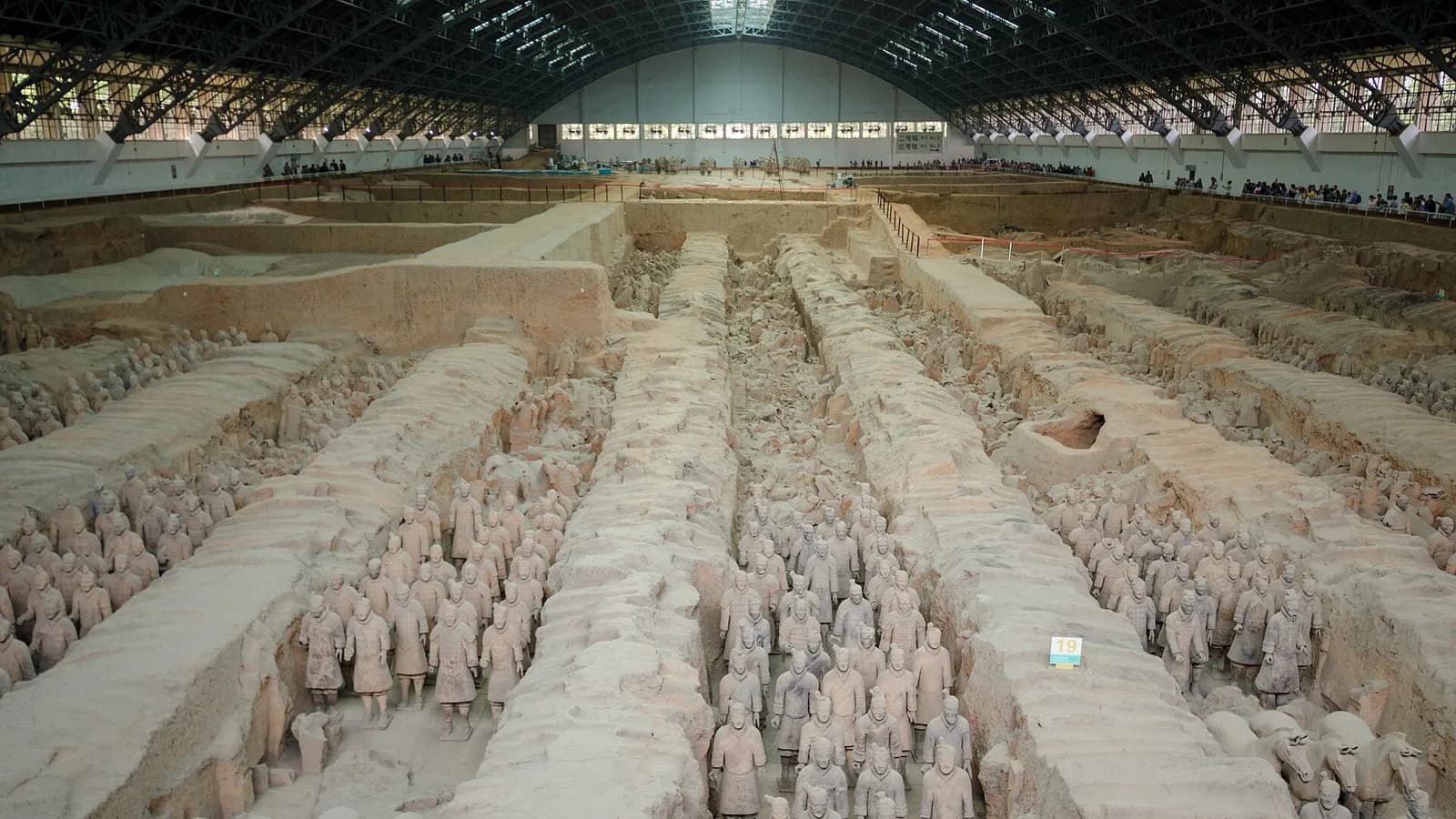
The Terracotta Army is one component of a far larger mausoleum landscape, revealing early imperial organization, technology and belief.
- 04
Wheat and street-food culture
Biangbiang noodles, roujiamo, lamb paomo and cumin-rich snacks turn Silk Road history into flavors still eaten every day.
Recommended routes
Group imperial sites by direction and time of day.
The source guide avoids unnecessary backtracking by keeping the old city, eastern archaeological sites and southern Tang district together.
Classic first Xi’an
A complete first route with old-city life, the Terracotta Warriors and Tang-era Xi’an.
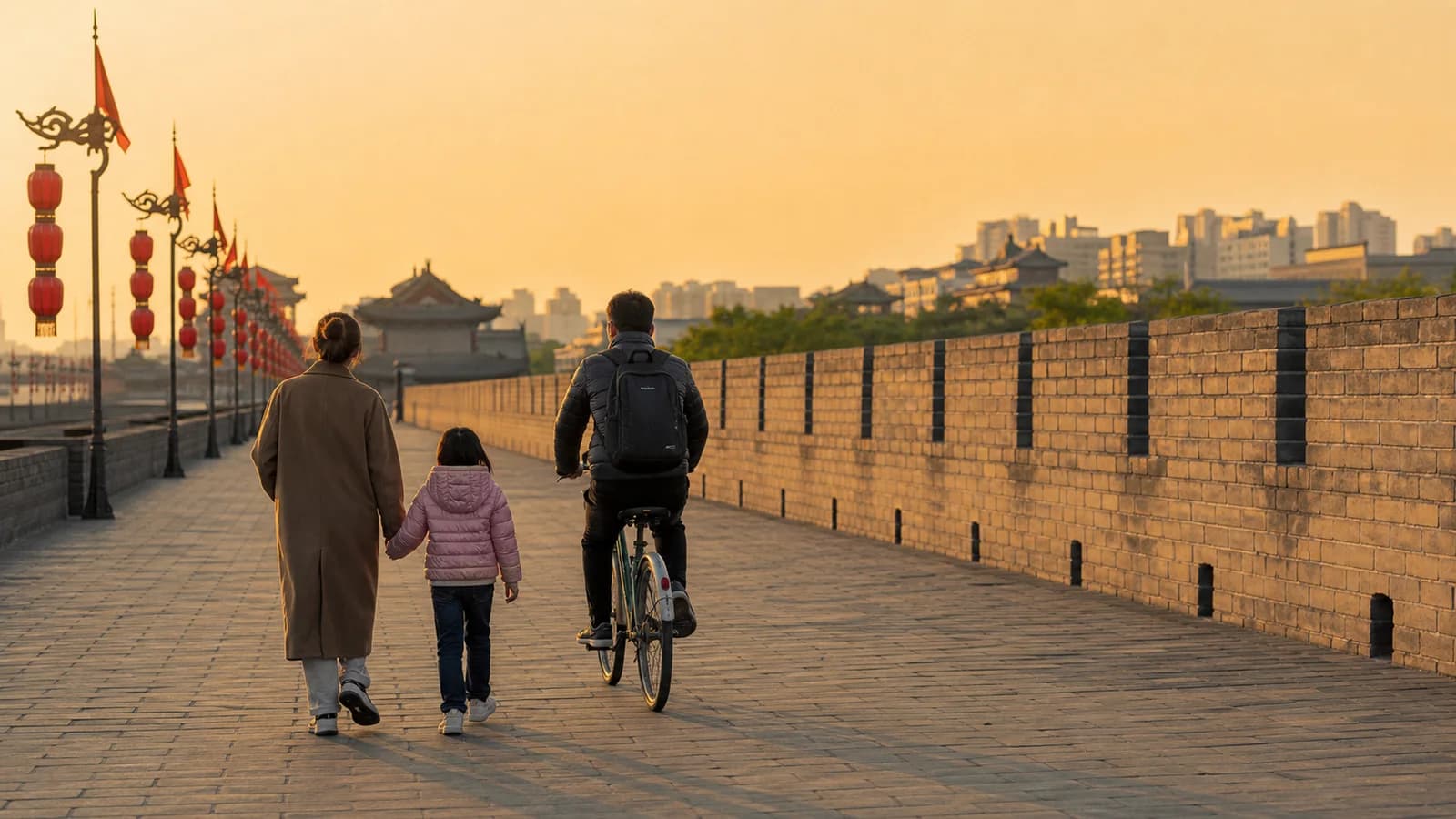
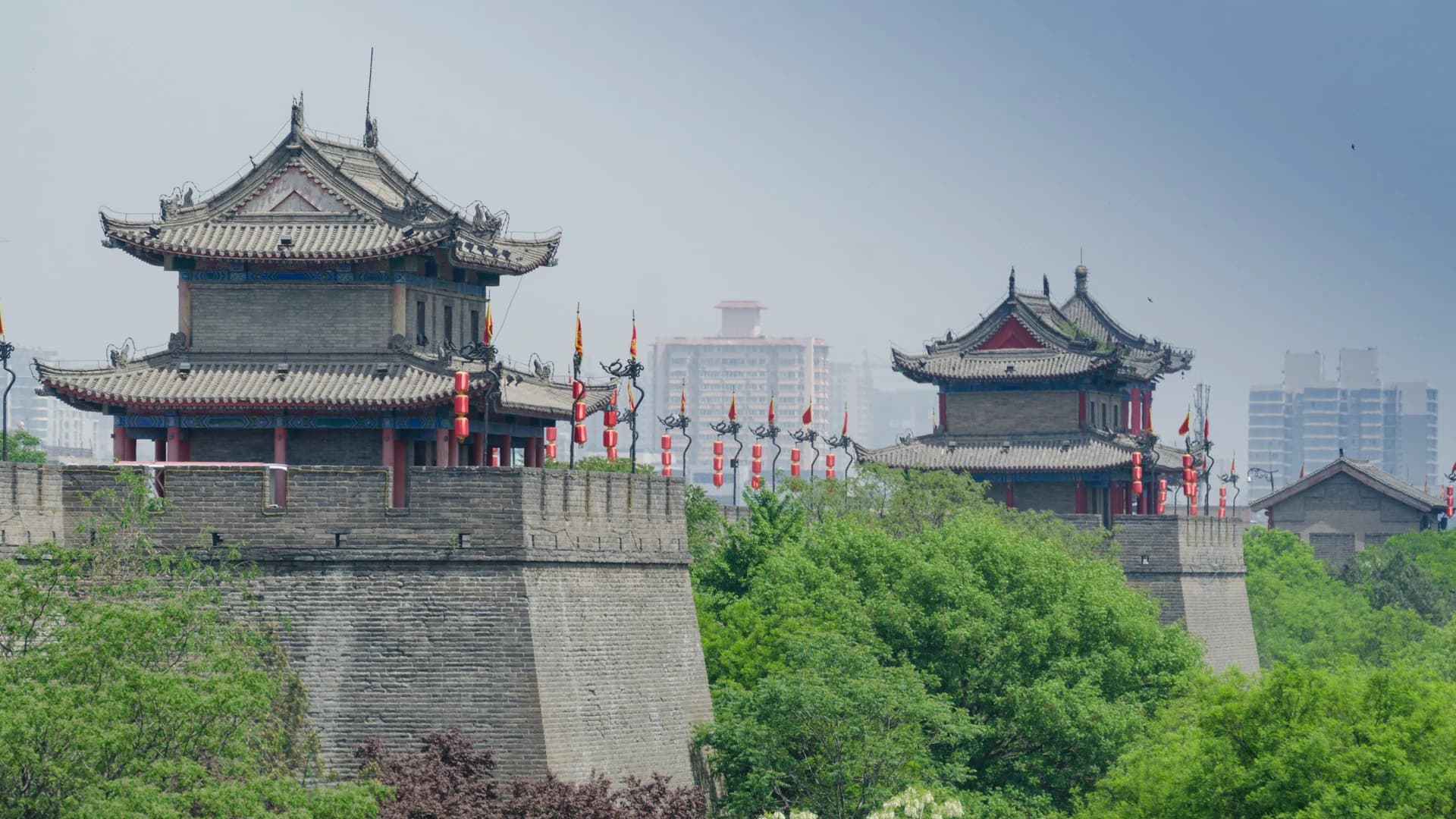
- Day 1 · Bell and Drum Towers, Hui backstreets, Shuyuanmen and an afternoon or sunset ride on the City Wall.
- Day 2 · Terracotta Warriors, bronze chariots, Lishan Garden and Huaqing Palace, with the seasonal night show optional.
- Day 3 · Shaanxi History Museum, Big Wild Goose Pagoda, Qujiang and the illuminated Grand Tang Mall.
- Day 4 · Small Wild Goose Pagoda and Xi’an Museum, then a food-focused neighborhood or flexible departure day.
History plus Mount Hua
For travelers who prefer one major mountain day to a broader city survey.
- Day 1 · Old-city axis, Muslim Quarter side streets and the City Wall at the cooler end of the day.
- Day 2 · Terracotta Warriors with enough time for all three pits and the wider mausoleum context.
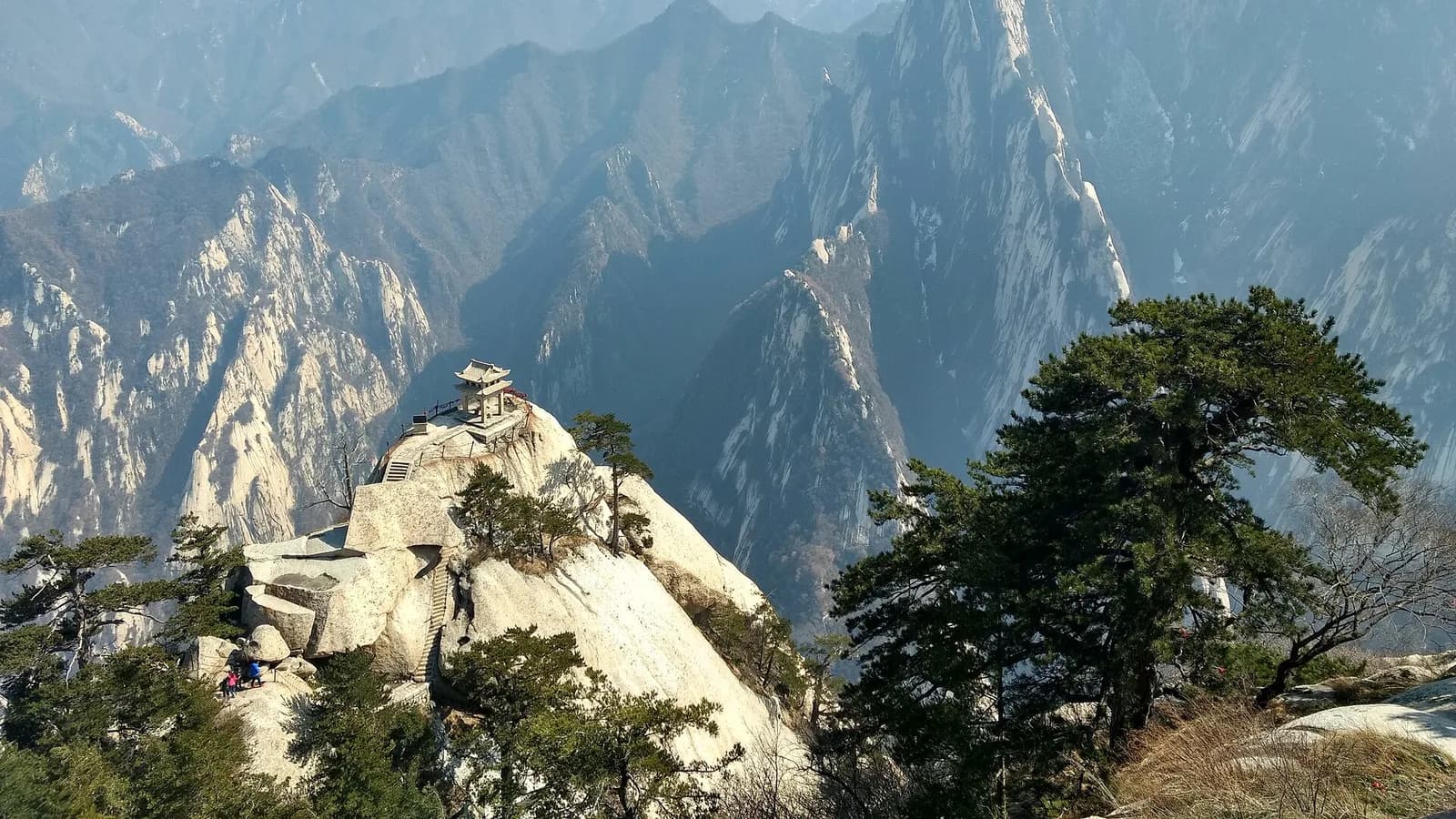
- Day 3 · Early train or private transfer to Mount Hua, using cableways to shape a safe ridge walk before returning.