Last reviewed
Background
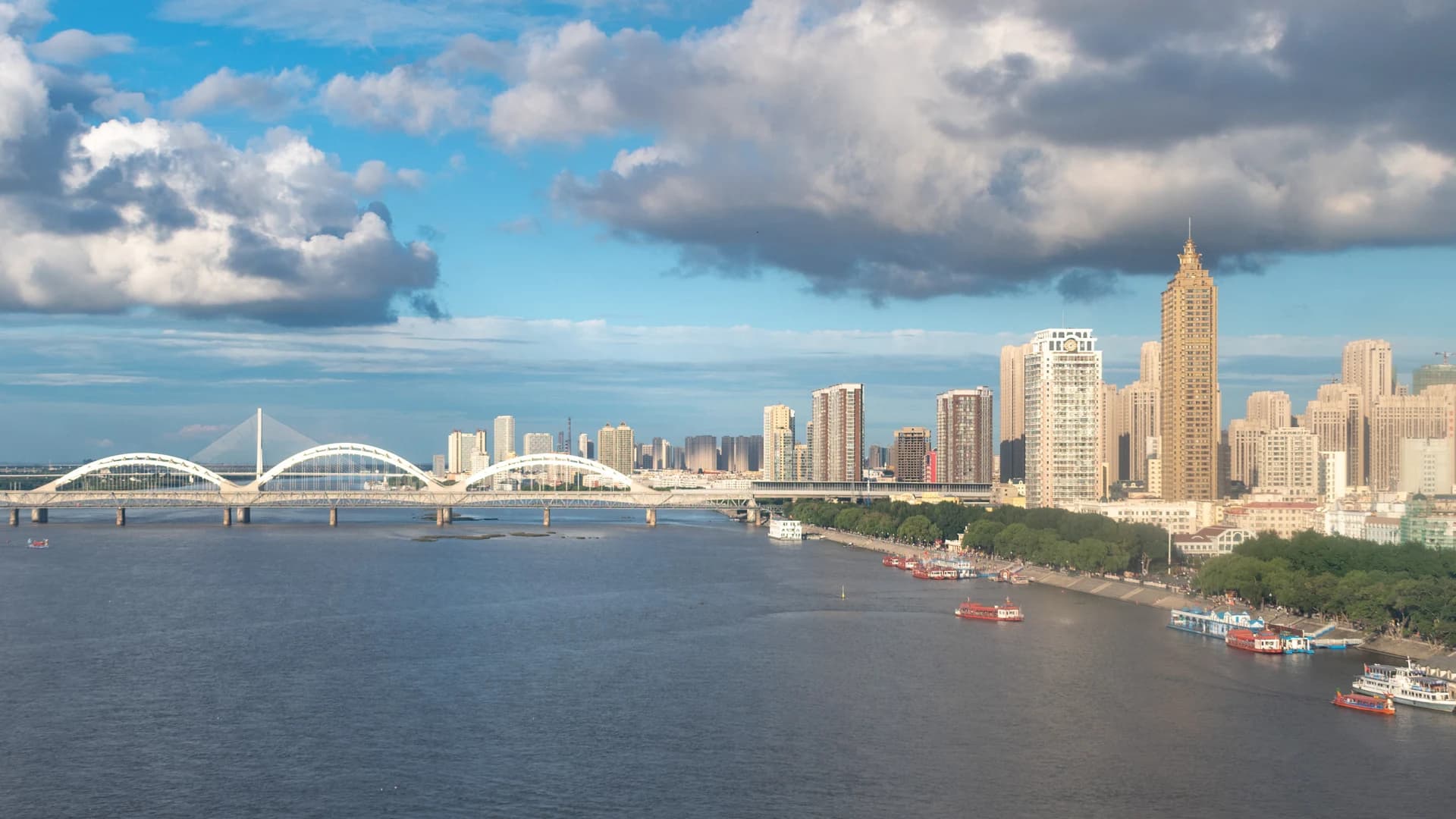
A Songhua River city whose modern streets preserve complex histories of railways, migration and exchange.
Harbin grew rapidly around the Chinese Eastern Railway from the late nineteenth century, though the wider region has a much longer history. Chinese, Russian, Jewish and other communities left distinct religious, commercial and residential buildings across the city. Reading those layers together is more useful than treating Harbin as a replica of a European city.
The Songhua River shapes Harbin's geography and seasonal rhythm. Deep winter supports large-scale ice architecture and snow sculpture, while the green season brings long riverfront walks, island parks and a cooler urban break from many parts of China. The two seasons offer different trips, and many signature winter sites operate only for limited dates.
Recommended itineraries
Recommended itineraries
Treat Harbin's winter installations as seasonal events rather than permanent attractions. Confirm opening dates first, then group the historic core, north-bank snow venues and eastern heritage streets into separate days.
Classic winter Harbin
A cold-weather route balancing the major ice and snow venues with the city's architectural and community history.
- Day 1 · Begin at Saint Sophia Cathedral, walk Central Street to the Flood Control Monument and the Songhua riverfront, then return after dark for the illuminated streets if conditions are comfortable.
- Day 2 · Visit the current Sun Island snow-sculpture event during daylight, warm up and continue to Harbin Ice-Snow World for the evening lights. Use metro or regulated transport rather than crossing river ice independently.
- Day 3 · Explore the Chinese Baroque Historic District, continue to the Harbin Jewish New Synagogue Site Museum and Saint Alekseyev Church, then add Zhaolin Park only if its current winter event is operating.
Architecture and river landscapes
A green-season city route focused on Harbin's built heritage, neighborhoods and Songhua River setting without winter-only promises.
- Day 1 · Saint Sophia Cathedral, Central Street, the Flood Control Monument and an evening riverfront walk.
- Day 2 · Cross by current public transport to Sun Island Scenic Area for gardens and shaded paths, then return for a relaxed central-city dinner.
- Day 3 · Walk the Chinese Baroque Historic District, visit the Harbin Jewish New Synagogue Site Museum and finish around Gogol Street and Saint Alekseyev Church.
Attractions & practical tips
What to see—and how to approach it.
Saint Sophia Cathedral
圣索菲亚教堂
The red-brick former Orthodox cathedral is Harbin's best-known architectural landmark and now functions as an architectural art venue. Its domes and masonry introduce the religious and migration history behind the surrounding commercial center.
Practical tips
- See the exterior in daylight before deciding whether to return for evening illumination.
- Check current interior admission and event arrangements; services, exhibitions and access patterns have changed since the source guide was printed.
Central Street
中央大街
This pedestrian street links Saint Sophia's wider district with the Songhua riverfront through a corridor of early twentieth-century commercial architecture, shops and food businesses.
Practical tips
- Look above the storefronts for architectural details and use side streets to escape the busiest pedestrian flow.
- In winter, wear footwear with strong grip and step carefully on polished paving or compacted snow.
Harbin Ice-Snow World
哈尔滨冰雪大世界
Harbin's headline winter park uses large blocks of ice to build illuminated architecture, slides and seasonal installations on the north side of the Songhua River.
Practical tips
- Opening dates, sessions, ticket rules and available attractions change every season; use only the official site or mini program for current information.
- Arrive with charged devices, insulated footwear and a clear warming plan, and allow more time than expected for queues and cold-weather breaks.
Sun Island Scenic Area
太阳岛风景区
The large island park north of central Harbin changes character with the seasons: gardens and river landscapes dominate warmer months, while a separately operated snow-sculpture exposition is a major winter draw.
Practical tips
- Check which seasonal areas and exhibitions are actually open before traveling across the river.
- Use metro, bus or another official crossing; never assume the frozen river is a safe pedestrian route.
Songhua Riverfront and Flood Control Monument
松花江畔与防洪纪念塔
Central Street ends at the 1957 Flood Control Monument and a broad riverfront promenade, where the city's relationship with the Songhua is easiest to understand.
Practical tips
- Stay behind seasonal barriers and follow official notices around high water, storms and winter ice.
- Do not enter the river or join an ice activity simply because other people are present; use only clearly managed areas with current authorization.
Chinese Baroque Historic District
中华巴洛克历史文化街区
In old Daowai, street-facing façades combine Western decorative vocabularies with Chinese courtyard plans and local commercial life. The district records how Harbin residents adapted imported forms rather than simply copying them.
Practical tips
- The area is still being conserved and updated, so respect construction barriers and distinguish restored visitor streets from surviving residential fabric.
- Visit for architecture and local food, but ask before photographing residents, courtyards or private interiors.
Harbin Jewish New Synagogue Site Museum
哈尔滨犹太新会堂旧址
The former New Synagogue documents Jewish community life in twentieth-century Harbin through the building itself and exhibitions on migration, institutions and everyday life.
Practical tips
- Check current opening and identity-document requirements before visiting.
- Approach the exhibits as community history rather than as an architectural photo stop alone.
Saint Alekseyev Church
圣阿列克谢耶夫教堂
This red-brick church near Gogol Street adds another layer to Harbin's religious architecture and the history of communities formed around the railway-era city.
Practical tips
- Confirm whether the interior is open and whether a service is taking place; access to an active religious site is not guaranteed.
- Keep voices low, dress respectfully and do not photograph worshippers without permission.
Zhaolin Park
兆麟公园
A central public park associated with Harbin's long-running ice-lantern tradition. Its winter installations are smaller in scale and more intimate than Ice-Snow World when the seasonal event is operating.
Practical tips
- Do not assume an ice-lantern event is included or open every day; confirm the current seasonal program.
- Outside winter, treat it as a neighborhood park that fits naturally between Central Street and nearby city sights.
Yabuli Ski Resort
亚布力滑雪旅游度假区
Yabuli, in Shangzhi within greater Harbin, is the region's principal destination for lift-served skiing and winter sports. It is a substantial journey from central Harbin rather than a quick urban attraction.
Practical tips
- Reserve through an official resort or reputable licensed operator and verify the specific ski area, lift access, equipment, instruction and insurance included.
- First-time skiers should use a qualified instructor and suitable protective equipment; leave a weather and road buffer for the return.
Food & dining
Eat with a little local context.
Harbin dining combines generous Northeast Chinese cooking with breads, sausages, drinks and restaurant traditions shaped by the city's migration history. Portions are often designed for sharing, so order gradually and ask about ingredients before the table fills.
Guobaorou
锅包肉
Slices of pork are coated, fried and finished in a bright sweet-sour glaze. The Harbin version is closely tied to the city's early twentieth-century restaurant history and favors a crisp exterior.
Try it this way: Eat it soon after serving while the coating is crisp, and ask whether the kitchen can make a smaller portion for one or two people.
Harbin red sausage
哈尔滨红肠
A smoked, garlicky cooked sausage developed through European meat-processing traditions adapted in Harbin. Recipes vary among long-established producers.
Try it this way: Buy sealed products from a reputable shop, check storage instructions and confirm pork or other meat ingredients if you have dietary restrictions.
Dalieba bread
大列巴
Harbin's large round loaves descend from Russian-style breadmaking and have a firm crust, mildly sour aroma and dense crumb suited to slicing and sharing.
Try it this way: A whole loaf is large and heavy, so buy a cut portion where possible and check how long it will keep.
Madier ice pop
马迭尔冰棍
This compact milk ice pop is a Central Street ritual in every season, known for a rich dairy flavor rather than elaborate toppings.
Try it this way: Queues can be long at the best-known counter; protect bare hands from cold packaging and check dairy ingredients if needed.
Pork and sauerkraut stew
酸菜炖白肉
Fermented cabbage is simmered with pork in a warming Northeast Chinese stew whose acidity balances the rich meat.
Try it this way: Ask whether blood sausage, pork belly or other offal is included, and order vegetables separately if you want a lighter meal.
Harbin's Russian-influenced dining
哈尔滨俄式西餐
Long-running local restaurants interpret dishes such as red soup, braised meat, fish, bread and pickles through Harbin's own restaurant history rather than one uniform Russian cuisine.
Try it this way: Choose by current menu and recent hygiene reputation, not a decades-old restaurant listing, and ask whether service charges or set-menu rules apply.
FAQ
Questions worth answering before you go.
How many days should I spend in Harbin?
Three full days cover the historic center, Sun Island or its seasonal snow exposition, Ice-Snow World and the eastern heritage districts at a humane pace. Add a fourth day for Yabuli or another planned excursion rather than squeezing it between city sights.
Should I visit in winter or summer?
Visit in winter for ice architecture and snow sculpture, but wait for official seasonal opening dates before booking around a particular venue. Summer offers riverfront walks, green parks and architecture without extreme cold; it is a different city break, not a lesser version of the winter trip.
How should I prepare for Harbin's winter cold?
Use layered clothing, an insulated windproof outer layer, warm socks, gloves, a hat, face protection and footwear with traction. Take frequent indoor warming breaks. Batteries drain faster in deep cold; keep a spare warm and let cameras or phones acclimatize in a sealed bag before exposing them to humid indoor air.
Can I walk across the frozen Songhua River?
Do not use river ice as an independent shortcut. Ice thickness, managed zones and official closures can change, and an old guide or visible footprints are not proof of safety. Cross by metro, bridge or another official route, and enter only clearly authorized ice-activity areas.
What should I book or verify in advance?
In peak winter, reserve accommodation and major seasonal attractions through official channels and recheck opening notices shortly before arrival. Harbin's metro and regulated ride-hailing cover the main urban areas; use current maps, allow cold-weather transfer time and reject unlicensed vehicles or unofficial ticket offers.