
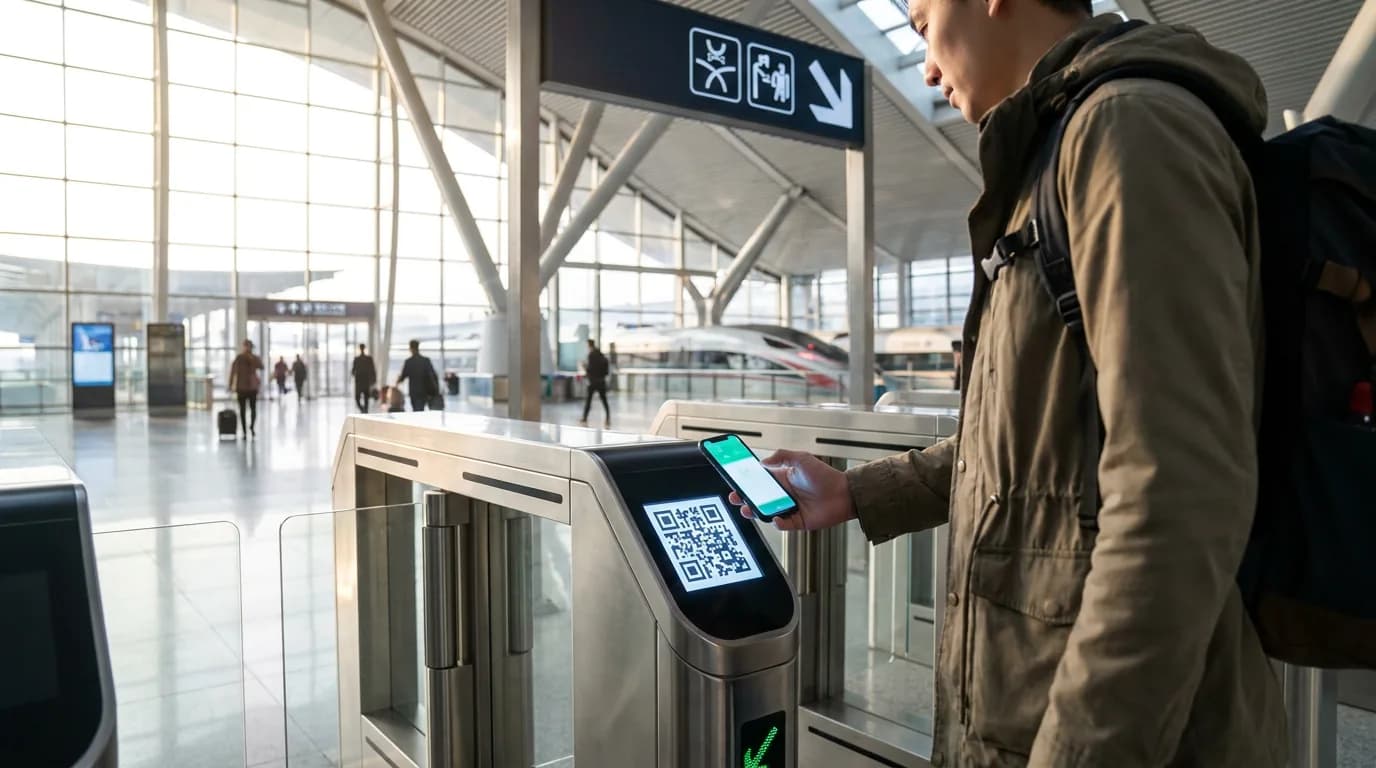
China Travel Safety and Laws: What to Know Before You Go in 2026
Traveling to China in 2026 is more accessible than it has been in decades, thanks to expanded visa-free transit policies and modernized payment systems. However, China remains a unique regulatory environment where "real-name" registration and digital integration are the norms. For international visitors, understanding the intersection of local laws, safety protocols, and daily habits is the key to a seamless trip.
Quick Answer: The 2026 Essentials
China is generally very safe for international travelers regarding petty and violent crime. However, the "legal safety" of your trip depends on three pillars: Documentation, Registration, and Digital Compliance.
- Documentation: Always carry your physical passport. It is your primary ID for trains, hotels, and even entering major tourist sites.
- Registration: You must be registered with the police within 24 hours of arrival. Hotels do this automatically; if staying with friends, you must visit a local police station.
- Payments: Download Alipay or WeChat Pay before arrival and link your international card. While cash is legally required to be accepted, mobile payment is the local standard.
- Transit: As of mid-2025, the 240-hour visa-free transit policy has expanded to 55 countries, including Indonesia, allowing for long stays in specific regions without a pre-arranged visa.
1. Entry, Transit, and the "Real-Name" System
China’s entry requirements have become significantly more flexible. According to the National Immigration Administration (NIA), as of June 2025, the 240-hour (10-day) visa-free transit policy is a primary entry point for many. This allows travelers from 55 eligible countries to explore specific regions (like the Yangtze River Delta or the Greater Bay Area) provided they have a confirmed ticket to a third country.
The Real-Name Requirement
In China, your identity is tied to almost every transaction. This is known as the "real-name system." You will need your passport for:
- Train Travel: Tickets are linked to your passport number. You must show your physical passport to enter the station and board.
- Attractions: Major sites like the Forbidden City or the Qinshihuang Mausoleum (Terracotta Warriors) require advance booking with a passport number.
- SIM Cards: Purchasing a local SIM requires a passport scan and often a facial recognition check.
Tripilot Planning Tip
Before you depart, use Tripilot to customize your itineraries. While you must carry your physical passport in China, having a secure, offline-accessible digital backup of your visa or transit entry permit, hotel addresses in Chinese, and emergency contacts can save you if your physical bag is misplaced.
2. Legal Requirements: Registration and Conduct
Mandatory Police Registration
Under Chinese law, all foreigners must register their place of residence with the Public Security Bureau (PSB) within 24 hours of arrival (72 hours in rural areas).
- Staying in Hotels: The hotel staff will scan your passport and handle the registration automatically. Ensure they provide you with a "Registration Form of Temporary Residence" if you need to apply for visa extensions or other permits.
- Staying in Private Homes: If you are staying with friends or in a private rental (that is not a licensed hotel), you—and your host—must go to the local police station with your passport and the host's household register (Hukou) or lease to register manually. Some cities now offer online registration via WeChat mini-programs, but this varies by district; verify with your host before arrival.
Local Laws and Prohibitions
- Drug Laws: China has a zero-tolerance policy toward illegal drugs. Penalties are severe, including long-term imprisonment or the death penalty. Note that testing positive for a drug upon arrival (even if consumed legally in another country) can lead to detention and deportation.
- Photography: Avoid photographing military installations, government buildings, or police checkpoints. If you see a "No Photography" sign, take it seriously.
- Digital Behavior: Accessing certain websites or using unauthorized VPNs exists in a legal gray area. While individual tourists are rarely targeted for VPN use, publicizing the use of such tools or posting politically sensitive content can lead to scrutiny or exit bans in extreme cases.
3. Payments: Beyond Cash and Credit Cards
China is a nearly cashless society. While the State Council has issued directives in 2024 and 2025 to improve the payment environment for foreigners, mobile apps remain the dominant force.
Scroll sideways to see all columns
| Payment Method | Acceptance Level | Notes |
|---|---|---|
| Alipay / WeChat Pay | Universal | Can link Visa, Mastercard, and JCB. Limits for unverified accounts were raised in 2024 to facilitate easier spending for tourists. |
| Cash (RMB) | Legal Requirement | Must be accepted by law, but small vendors may lack change. Keep small denominations (10, 20, 50 RMB). |
| International Credit Cards | Limited | Accepted at high-end hotels, luxury malls, and international airports. Rarely accepted in local restaurants or taxis. |
| ATMs | High | Major banks (Bank of China, ICBC) accept international cards for RMB withdrawals. |
Local Insight: Always carry some cash as a backup. While the government has pushed for better cash acceptance, digital glitches or battery failure can leave you stranded. Major tourist hubs now have "Foreign Currency Exchange" machines and bank branches optimized for international visitors.
4. Health and Personal Safety
Health Precautions
As of May 2025, the CDC has maintained health notices for China regarding routine vaccinations, including a specific alert for Measles. Travelers should ensure they are up to date on all vaccinations at least a month before travel.
- Water: Do not drink tap water in China. Even locals boil it or use filtered dispensers. Bottled water is cheap and available everywhere.
- Air Quality: While significantly improved in recent years, cities like Beijing or Chengdu can still experience high PM2.5 levels. Download an Air Quality Index (AQI) app and carry an N95 mask if you have respiratory sensitivities.
- Medical Services: In major cities, international hospitals (e.g., United Family) offer Western-style care but are expensive. Local "Grade A" hospitals are efficient but can be crowded and may require a translator.
Emergency Numbers
Keep these numbers saved in your phone. Most operators will speak Mandarin, though major cities may have English-speaking dispatchers for the 110 line.
- Police: 110
- Ambulance: 120
- Fire: 119
- Traffic Accidents: 122
5. Transportation and Navigation
High-Speed Rail (HSR)
China’s rail network is world-class. Use the official 12306 app (which has an English version) to book tickets.
- Security: Rail stations have airport-style security. Prohibited items include large knives, flammable aerosols (like some hairsprays), and certain power banks (check the Wh rating; usually under 100Wh is safe).
- Boarding: You no longer need a paper ticket; your passport is your ticket. Swipe your passport at the automated gates (or use the manual lane if the machine fails to read your passport chip).
Taxis and Ride-Hailing
Street-hailing a taxi is increasingly difficult as most drivers use Didi (integrated into Alipay).
- Safety: Only use marked taxis with meters. Avoid "black cabs" (unlicensed drivers) at airports or train stations.
- Navigation: Google Maps is often inaccurate or outdated in China. Use Apple Maps (which uses AutoNavi data) or Amap (Gaode) for more reliable walking and transit directions.
6. What to Verify Before You Depart
Before heading to the airport, perform a final check of these items to ensure compliance with the latest 2026 regulations:
- Visa/Transit Eligibility: Confirm if your country is part of the 240-hour visa-free transit list or if you need a standard L-visa. Check the latest NIA announcements, as policies for countries like Indonesia were updated as recently as June 2025.
- Arrival Card: Check if your arrival airport supports the Online Arrival Card system launched in late 2025. This can save significant time at immigration.
- Payment App Verification: Ensure your international card is linked to Alipay or WeChat Pay before you cross the border. Some cards require a 3D Secure verification that is hard to complete once you are behind the Great Firewall.
- Roaming vs. eSIM: Decide on your data plan. A roaming plan from your home country or a travel eSIM usually bypasses the Great Firewall, allowing you to access Google, Instagram, and WhatsApp without a VPN.
FAQ
Q: Is it safe to travel solo in China? A: Yes, China is one of the safest countries for solo travelers, including women. Street lighting is excellent, and there is a heavy police and camera presence. Standard travel precautions apply regarding late-night transit and unlicensed taxis.
Q: Can I use my home country's driver's license? A: No. China does not recognize the International Driving Permit (IDP). To drive, you must obtain a temporary Chinese driver's license, which usually requires a short written test or a simple application at the airport in cities like Beijing or Shanghai.
Q: What happens if I overstay my visa? A: Overstaying is a serious offense. You will likely face a fine (typically 500 RMB per day, up to 10,000 RMB) and could be detained or banned from re-entering China. Always check your entry stamp for the "Stay Until" date.
Q: Are there any specific clothing laws? A: There are no specific laws, but modesty is generally preferred when visiting temples. In Xinjiang or Tibet, there may be more specific local sensitivities; always follow the lead of local signage and guides.
Sources:
FAQ
Frequently asked questions
Do I need to carry my passport at all times in China?
Yes. By law, foreigners must carry their original passport for identification. It is required for hotel check-ins, train travel, and entering many tourist attractions.
How do I register with the police if I'm staying in an Airbnb?
If you are staying in a private residence or unlicensed rental, you must go to the local police station with your host within 24 hours of arrival to complete a Registration Form of Temporary Residence.
Can I use cash in China in 2026?
Yes, cash is legal tender and must be accepted. However, many vendors prefer mobile payments (Alipay/WeChat Pay) and may not have change for large bills. It is best to use mobile apps for daily transactions and keep small cash for emergencies.
What is the 240-hour visa-free transit?
It is a policy allowing citizens of 55 countries to stay in specific regions of China for up to 10 days without a visa, provided they are transiting to a third country and have a confirmed onward ticket.
Make it personal
Want help turning this into your trip?
Send us your dates, people and priorities. We’ll help connect the practical pieces.
Plan My China Trip